
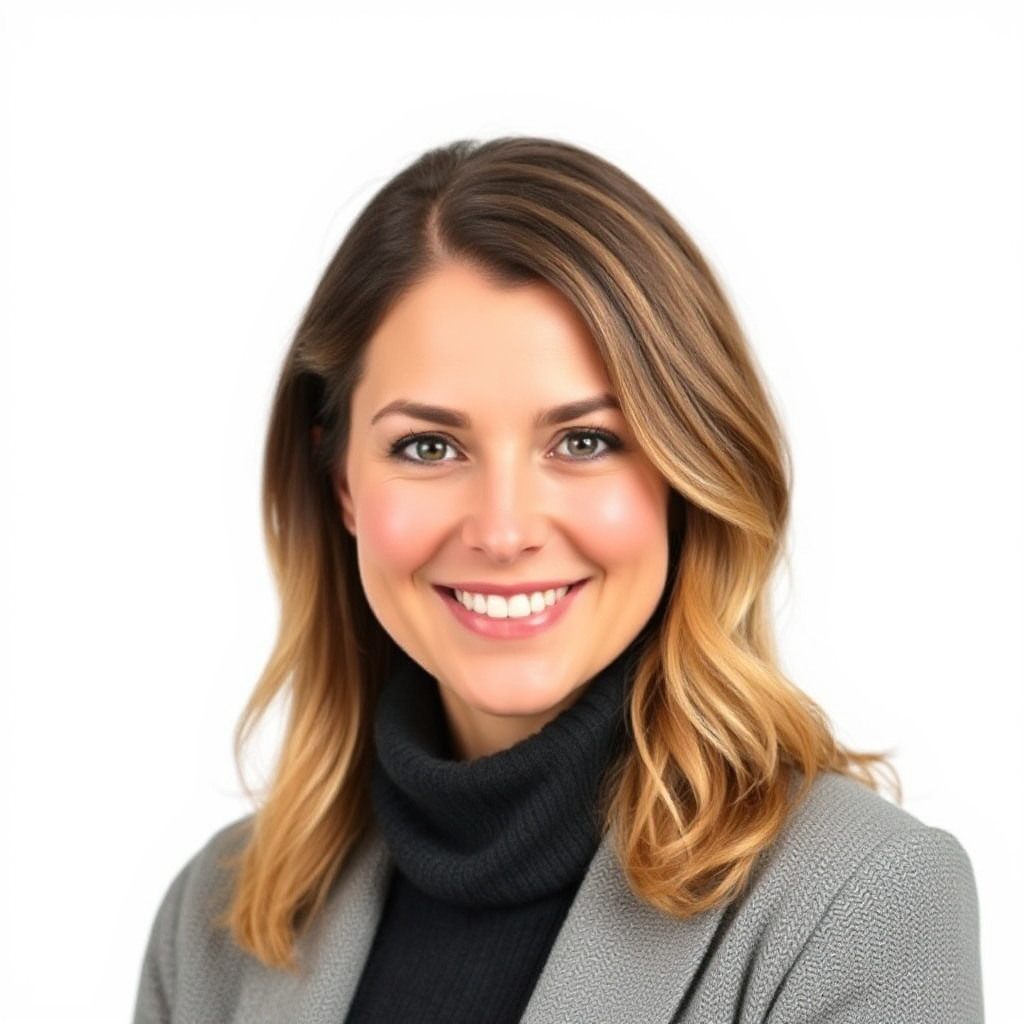

Ex- Google executive Matt Brittin has been confirmed as the British Broadcasting Corporation's new leader.
The ex-president of Google's EMEA division will succeed Tim Davie, who stated his resignation in November following a controversy over how a BBC programme presented a address by Donald Trump.
The BBC's chairman Samir Shah that Brittin, who departed from Google in 2025 after 18 years, "brings to the BBC extensive experience of leading a high-profile and highly-complex institution during transformation".
Brittin, 57 said he "is eager to begin this work", labeling it "a period of real risk, yet also significant potential".
He noted that the country must have "a thriving BBC that benefits the public in a complicated, unpredictable and rapidly evolving environment".
Outlining his agenda, he continued: "It needs the pace and drive to be simultaneously covering events, and engaging with the public. To build on the scale, reputation and creative excellence today, address challenges with bravery, and thrive as a national institution suited to the coming era."
'Major Reform'
Shah described Brittin "an outstanding figurehead" with "the attributes required to steer the broadcaster through the numerous changes happening in the media market and in viewer and listener habits".
The chairman also commended Brittin's "dedication to the BBC, his comprehension of the challenges confronting the institution, his commitment to its independence and his drive to uphold the BBC's status as one of the UK's greatest public institutions".
The incoming director general arrives at "a critical moment", as the government reviews the BBC's governing charter, the chairman stated.
"There is no doubt there is a requirement for radical transformation of the BBC, its financial structure and the structure in which it works. The risks for the BBC, and the future of public service broadcasting, have never been more significant."

The BBC's top job is regarded to be one of the toughest in the UK's media.
During his time in office as the BBC's 17th director general, he was responsible for managing a number of scandals and difficult periods at the organisation.
Brittin's priorities will include addressing a multi-billion libel claim initiated by the American leader against the BBC.
Trump is challenging the way the programme combined two parts of a speech he delivered on 6 January 2021, for which the BBC has apologised.
Last week the organisation asked a judge to dismiss the claim, arguing the Panorama segment was not broadcast in the US.
BBC at a Turning Point
The new director general steps into the role at a crucial moment for the BBC in several areas, too.
He will continue talks with the UK government on the broadcaster's remit and the future of the licence fee and public service budget.
The existing charter, which defines the objectives and mission of the BBC's operation, will come to an end in the near future.
Brittin's selection also occurs at a point when the BBC is vying with large technology firms in the digital media landscape.
Google's corporate entity operates YouTube, with which the BBC has disclosed a significant deal to create tailor-made content.
Corporate Background a Asset?
Some people at Google "speak highly" about Brittin, as an charismatic leader and a great team player".
A number of observers have questioned the BBC's decision to hire someone with a career history in tech rather than editorial or established editorial experience.
However, it is reported that "he's been picked by the BBC's governing body for his insider knowledge of major tech firms. There's an anticipation he will champion the move to digital-first, for example in journalism. He'll also probably prioritise transforming and innovating BBC iPlayer."
Former BBC Newsnight editor a former colleague, who worked with Brittin at Google, remarked he is "strongly driven by a sense of serving the public".
"He loves the BBC for its reliable journalism and its creative output, but he's also very aware of its history as a technological pioneer.
"He wants the BBC to succeed in a world where a lot of its biggest difficulties are related to digital innovation, whether that's the dominance of the digital platforms, online misinformation, or simply how people wish to consume programmes.
"Considering his background and connections throughout the digital world, and also the connections he's forged with media companies, the press, oversight bodies and governments, I think he's very well placed to address the challenges."
Who is Matt Brittin?

Born in Surrey, he obtained a qualification from the University of Cambridge, while also participating in rowing for them in the annual race on three occasions.
He also rowed for Britain and won|secured|earned


